Data Mesh auf Microsoft Azure: Erfolgreich skalieren mit metadatengetriebener Automatisierung

Data Mesh auf Microsoft Azure: Erfolgreich skalieren mit metadatengetriebener Automatisierung
author
Richard Lehnerdt Mai 31, 2025

Microsoft bietet mit Azure Synapse, Fabric und Power BI die technischen Grundlagen für Data Mesh. Doch ohne Automatisierung fehlt ein durchgängiges Betriebsmodell. AnalyticsCreator schließt diese Lücke – und ermöglicht skalierbare, sichere Data-Mesh-Umsetzungen.

Warum Data Mesh in der Praxis oft scheitert

Viele Unternehmen starten Data-Mesh-Projekte mit großen Erwartungen – und enden in manueller Komplexität. Es fehlen einheitliche Standards für Metadaten, Lineage, Governance und Deployment. Die Folge: langsame Rollouts, inkonsistente Ergebnisse und Kontrollverlust.

Der Microsoft Stack ist Data-Mesh-fähig – mit einer Lücke

Microsoft Fabric, Azure Synapse und Power BI integrieren Datenaufnahme, Verarbeitung und Analyse. Doch ohne Automatisierung müssen Metadaten, Pipelines und Sicherheitsregeln manuell gepflegt werden – oft redundant und fehleranfällig.

Metadatengetriebene Automatisierung: Der Schlüssel zur skalierbaren Umsetzung

Ein Tool wie AnalyticsCreator automatisiert die Generierung aller artefakte: SQL, Pipelines, Power-BI-Modelle, Sicherheitsregeln. So entsteht ein einheitlicher Metadatenstandard für domänenübergreifende Zusammenarbeit – mit CI/CD-Integration, DSGVO-Mustern und klickbarer Lineage.

Wie AnalyticsCreator sich einfügt

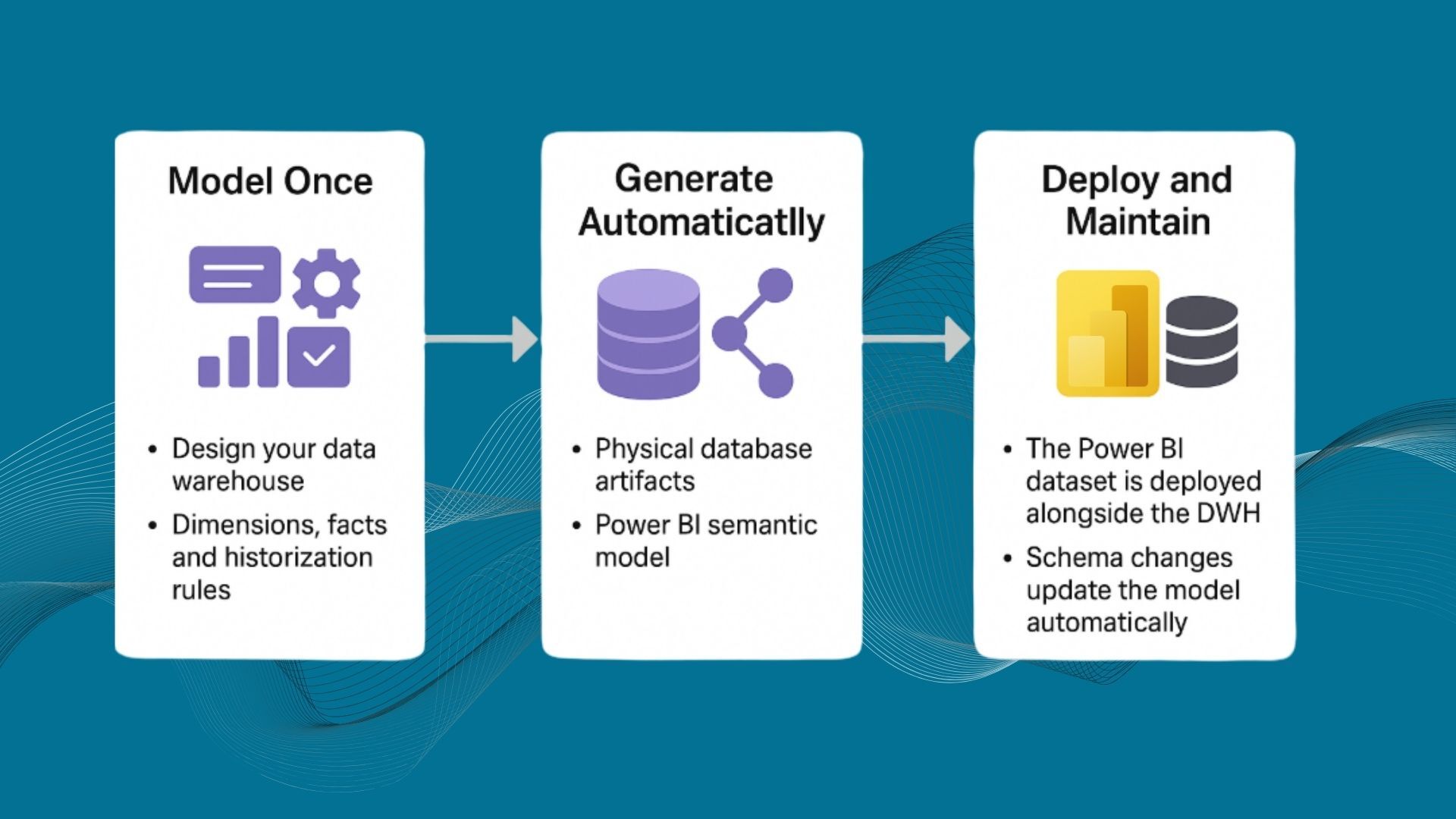
  • Einmal modellieren, vielfach deployen – raw, curated und semantische Schichten aus einem Modell
  • Pipelines & Datasets automatisch generieren – inkl. ADF, Synapse SQL, Fabric Lakehouse
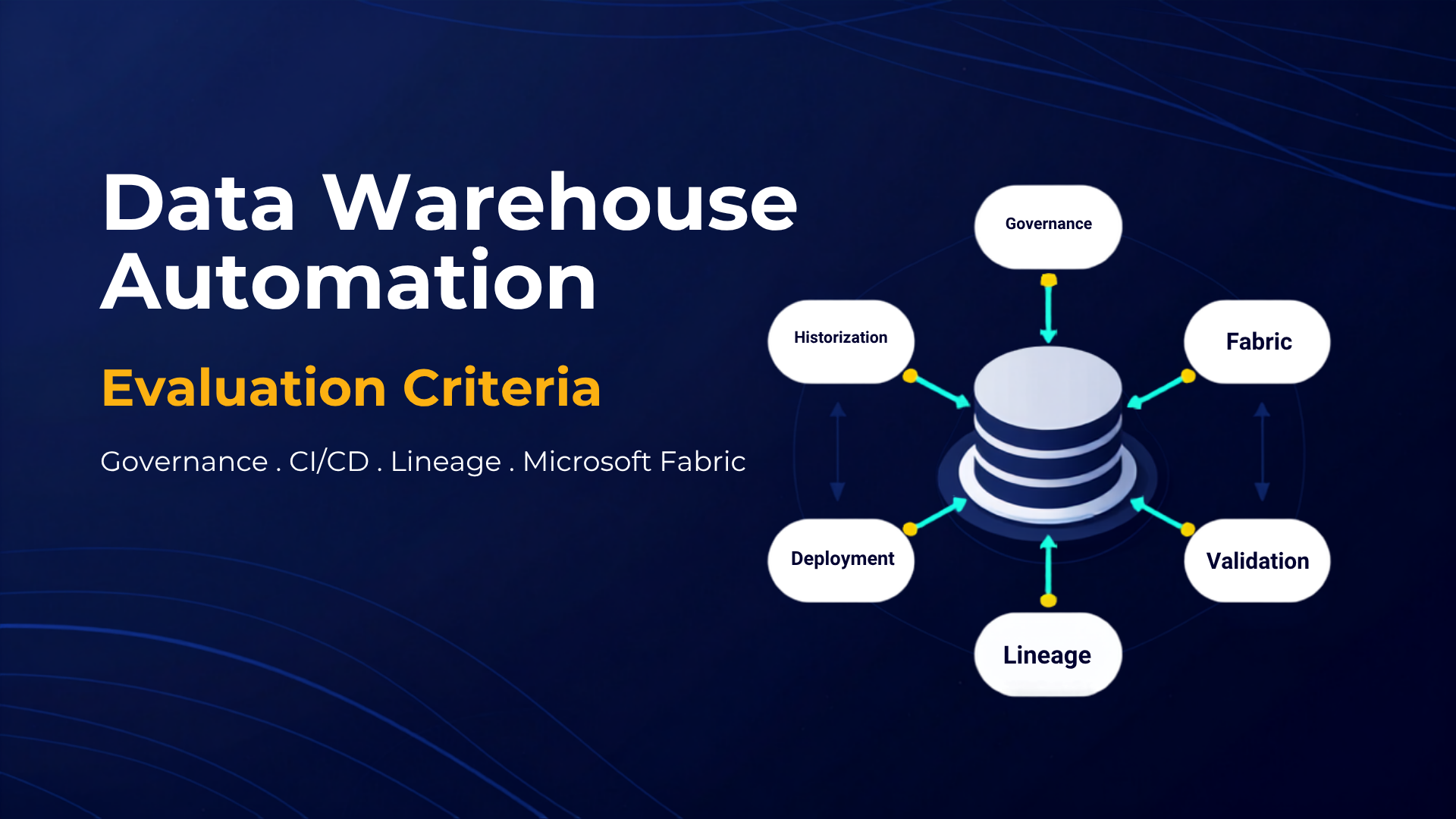
  • Transparente Lineage – vollautomatisiert, klickbar, domänenübergreifend
  • Security by Design – GDPR, rollenbasierter Zugriff, spaltenbasierte Sicherheit
  • DevOps-ready – CI/CD mit Azure DevOps & GitHub

Klein starten, schnell skalieren

Beginnen Sie mit einer Pilotdomäne wie Marketing oder Finance. Mit AnalyticsCreator definieren Sie ein konsistentes Datenprodukt, automatisieren das Deployment und skalieren schrittweise – basierend auf wiederverwendbaren Metadatenstandards.

Fazit

Data Mesh funktioniert auf Microsoft – wenn Automatisierung und Governance zusammenspielen. AnalyticsCreator ist das Bindeglied: domänenübergreifende Autonomie, ohne Governance oder Effizienz zu opfern.

FAQs

Was ist das größte Hindernis bei Data-Mesh-Initiativen?

Der Mangel an Automatisierung und einheitlichem Metadatenmanagement führt zu inkonsistenten Ergebnissen und fehlender Skalierbarkeit.

Funktioniert Data Mesh mit Microsoft Fabric und Synapse?

Ja, die Tools sind leistungsfähig, aber nur mit zusätzlicher Automatisierung wie durch AnalyticsCreator wird Data Mesh wirklich umsetzbar.

Welche Rolle spielt Metadatenautomatisierung?

Sie standardisiert Prozesse, dokumentiert Lineage automatisch und ermöglicht domänenübergreifende Governance.

Wie unterstützt AnalyticsCreator Data Mesh?

Durch automatische Generierung von Modellen, Pipelines und Power BI-Datasets sowie durch durchgängige Lineage und CI/CD-Integration.

Muss jede Domäne alles selbst entwickeln?

Nein, zentrale Metadatenstandards ermöglichen föderiertes Arbeiten mit Wiederverwendbarkeit und Governance-by-Design.

Was ist der beste Einstiegspunkt für Data Mesh?

Ein fokussierter Pilot in einer Domäne mit klarer Datenverantwortung, zum Beispiel Finance oder Marketing

Ist AnalyticsCreator nur für große Unternehmen geeignet?

Nein, auch mittelständische Unternehmen nutzen AnalyticsCreator für modulare Data-Mesh-Einführungen mit hoher Wiederverwendbarkeit.

Wie unterstützt AnalyticsCreator Compliance?

Mit integrierten DSGVO-Mustern, spaltenbasierter Sicherheit und auditierbarer Lineage – alles metadatenbasiert und automatisiert.
Related Blogs

Metadata-Driven Lineage in Microsoft Fabric: Automate Compliance and Governance

Metadata-Driven Lineage in Microsoft Fabric: Automate Compliance and Governance
GO TO >

Metadata-Driven Automation in Microsoft Data Warehousing: From Manual Builds to CI/CD

Metadata-Driven Automation in Microsoft Data Warehousing: From Manual Builds to CI/CD
GO TO >

Why Metadata Should Be the Single Source of Truth in Microsoft Data Warehouses

Why Metadata Should Be the Single Source of Truth in Microsoft Data Warehouses
GO TO >

How AnalyticsCreator Automates SCD Type 2 Historization for Dimensional Models

How AnalyticsCreator Automates SCD Type 2 Historization for Dimensional Models
GO TO >

Metadata-Driven Lineage in Microsoft Fabric: Automate Compliance and Governance

Metadata-Driven Lineage in Microsoft Fabric: Automate Compliance and Governance
GO TO >

Metadata-Driven Automation in Microsoft Data Warehousing: From Manual Builds to CI/CD

Metadata-Driven Automation in Microsoft Data Warehousing: From Manual Builds to CI/CD
GO TO >

Why Metadata Should Be the Single Source of Truth in Microsoft Data Warehouses

Why Metadata Should Be the Single Source of Truth in Microsoft Data Warehouses
GO TO >

How AnalyticsCreator Automates SCD Type 2 Historization for Dimensional Models

How AnalyticsCreator Automates SCD Type 2 Historization for Dimensional Models
GO TO >

Metadata-Driven Lineage in Microsoft Fabric: Automate Compliance and Governance

Metadata-Driven Lineage in Microsoft Fabric: Automate Compliance and Governance
GO TO >

Metadata-Driven Automation in Microsoft Data Warehousing: From Manual Builds to CI/CD

Metadata-Driven Automation in Microsoft Data Warehousing: From Manual Builds to CI/CD
GO TO >

Why Metadata Should Be the Single Source of Truth in Microsoft Data Warehouses

Why Metadata Should Be the Single Source of Truth in Microsoft Data Warehouses
GO TO >

How AnalyticsCreator Automates SCD Type 2 Historization for Dimensional Models

How AnalyticsCreator Automates SCD Type 2 Historization for Dimensional Models
GO TO >

Metadata-Driven Lineage in Microsoft Fabric: Automate Compliance and Governance

Metadata-Driven Lineage in Microsoft Fabric: Automate Compliance and Governance
GO TO >

Metadata-Driven Automation in Microsoft Data Warehousing: From Manual Builds to CI/CD

Metadata-Driven Automation in Microsoft Data Warehousing: From Manual Builds to CI/CD
GO TO >

Why Metadata Should Be the Single Source of Truth in Microsoft Data Warehouses

Why Metadata Should Be the Single Source of Truth in Microsoft Data Warehouses
GO TO >

How AnalyticsCreator Automates SCD Type 2 Historization for Dimensional Models

How AnalyticsCreator Automates SCD Type 2 Historization for Dimensional Models
GO TO >

Metadata-Driven Lineage in Microsoft Fabric: Automate Compliance and Governance

Metadata-Driven Lineage in Microsoft Fabric: Automate Compliance and Governance
GO TO >

Metadata-Driven Automation in Microsoft Data Warehousing: From Manual Builds to CI/CD

Metadata-Driven Automation in Microsoft Data Warehousing: From Manual Builds to CI/CD
GO TO >

Why Metadata Should Be the Single Source of Truth in Microsoft Data Warehouses

Why Metadata Should Be the Single Source of Truth in Microsoft Data Warehouses
GO TO >

How AnalyticsCreator Automates SCD Type 2 Historization for Dimensional Models

How AnalyticsCreator Automates SCD Type 2 Historization for Dimensional Models
GO TO >

Metadata-Driven Lineage in Microsoft Fabric: Automate Compliance and Governance

Metadata-Driven Lineage in Microsoft Fabric: Automate Compliance and Governance
GO TO >

Metadata-Driven Automation in Microsoft Data Warehousing: From Manual Builds to CI/CD

Metadata-Driven Automation in Microsoft Data Warehousing: From Manual Builds to CI/CD
GO TO >

Why Metadata Should Be the Single Source of Truth in Microsoft Data Warehouses

Why Metadata Should Be the Single Source of Truth in Microsoft Data Warehouses
GO TO >

How AnalyticsCreator Automates SCD Type 2 Historization for Dimensional Models

How AnalyticsCreator Automates SCD Type 2 Historization for Dimensional Models
GO TO >

Metadata-Driven Lineage in Microsoft Fabric: Automate Compliance and Governance

Metadata-Driven Lineage in Microsoft Fabric: Automate Compliance and Governance
GO TO >

Metadata-Driven Automation in Microsoft Data Warehousing: From Manual Builds to CI/CD

Metadata-Driven Automation in Microsoft Data Warehousing: From Manual Builds to CI/CD
GO TO >

Why Metadata Should Be the Single Source of Truth in Microsoft Data Warehouses

Why Metadata Should Be the Single Source of Truth in Microsoft Data Warehouses
GO TO >

How AnalyticsCreator Automates SCD Type 2 Historization for Dimensional Models

How AnalyticsCreator Automates SCD Type 2 Historization for Dimensional Models
GO TO >
meet-the-team-bg

Meet the team:

Ellipse 307

Mr. Peter Smoly CEO

Peter Smoly is a serial entrepreneur in the Data Warehouse and Business Analytics as well software development. All together more than 25 years’ experience as a founder, CEO, project manager and consultant.

Ellipse 307

Mr. Peter Smoly CEO

Peter Smoly is a serial entrepreneur in the Data Warehouse and Business Analytics as well software development. All together more than 25 years’ experience as a founder, CEO, project manager and consultant.