Back to all Blogs


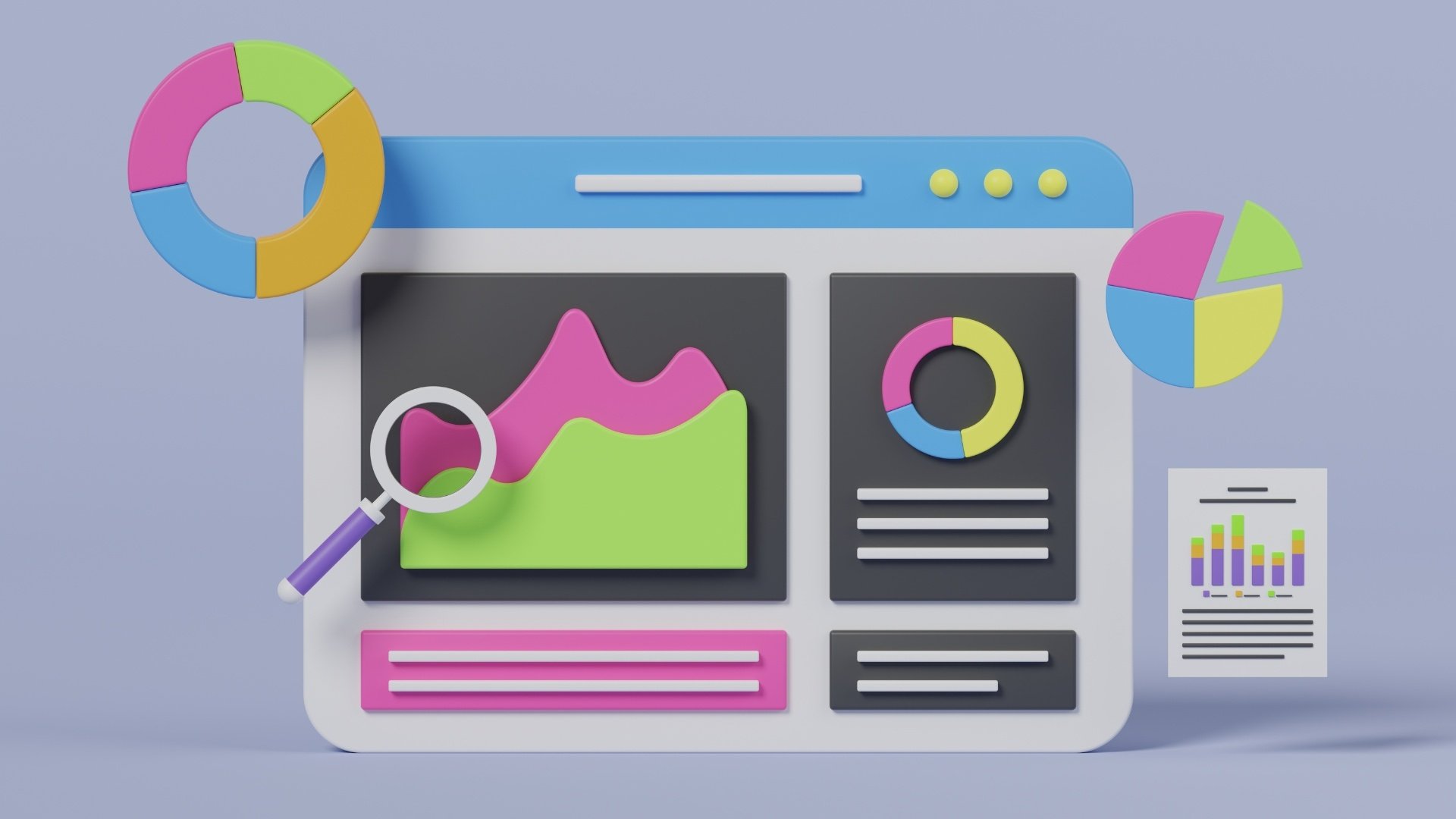
Data analysis and visualization are powerful tools that can help us make better decisions. By analyzing data, we can identify patterns and trends that might not be immediately apparent. We can also use data to test hypotheses and make predictions about the future.
However, relying too heavily on big data can be dangerous. Big data is often incomplete or biased, and it can be difficult to separate signal from noise. In addition, big data can reinforce existing biases and inequalities if it is not used carefully.
To avoid these pitfalls, it is important to be transparent and accountable in the use of big data. This means being clear about the sources of our data and the methods we use to analyze it. It also means being open to feedback and criticism from others.
Reinforcing Existing Biases and Inequalities
One of the biggest risks associated with big data is that it can reinforce existing biases and inequalities. For example, if we rely solely on data from a particular group of people, we may miss important insights from other groups. Similarly, if we use data that is biased in some way (for example, because it was collected using a flawed methodology), we may draw incorrect or even harmful conclusions.
To avoid these problems, it is important to:
- Be aware of our own biases and assumptions.
- Seek out diverse and complementary data sources.
- Check whether the data is truly representative of the population we are studying.
By deliberately looking for gaps and blind spots in our data, we reduce the risk of building dashboards, models and reports that look convincing but actually mislead decision-makers.
Transparency and Accountability
Transparency and accountability are key principles in the use of big data. By being transparent about our methods and sources of data, we can help others understand how we arrived at our conclusions. This can help build trust and credibility with stakeholders.
Accountability means being willing to explain, defend and, if necessary, revise our work. Being open to feedback and criticism from others can help us identify flaws in our methods or biases in our data that we might have missed otherwise.
Check out the following videos that discuss the importance of data analysis and visualization in making better decisions.
Data analysis and visualization are powerful tools that can help us make better decisions. However, relying too heavily on big data can be dangerous if we are not careful. To avoid these pitfalls, it is important to be transparent and accountable in the use of big data. By doing so, we can ensure that our analyses are accurate, unbiased, and truly representative of the data and people we are studying.
Frequently Asked Questions (FAQ)
What is the main risk of relying too heavily on big data?
The main risk is that big data can be incomplete, biased or misinterpreted. If we treat it as infallible, we may make decisions that reinforce existing inequalities or overlook important groups and perspectives.
How can big data reinforce existing biases?
If historical data reflects biased practices or unequal access, models trained on that data can learn and reproduce those patterns. This can lead to unfair outcomes in areas like hiring, lending, policing or customer scoring.
What does transparency mean in data analysis?
Transparency means clearly documenting data sources, collection methods, assumptions and analytical techniques so that others can understand, review and challenge the results. It also means being honest about limitations and uncertainty.
How can organizations improve accountability in their use of big data?
Organizations can set clear governance rules, perform regular audits for bias, involve diverse stakeholders in reviewing models and be prepared to adjust or switch off systems that cause harm or unfair outcomes.
Can we still get value from data if it isn’t perfect?
Yes. No dataset is perfect, but by understanding its limits, combining multiple sources and applying critical thinking, we can still extract valuable insights while avoiding overconfidence in the numbers.