Back to all Blogs


Building trust in data begins with understanding a core challenge: the Data Trust Gap. This gap emerges when data producers and data consumers lack shared visibility, transparency, and context. Even simple issues—such as a broken pipeline, a source system outage, or a column name change—can erode confidence and create mistrust.
In modern analytics, data quality and data trust are closely connected but not identical. High-quality data does not automatically mean trusted data. Without transparency into how data is produced, transformed, and maintained, users may still hesitate to rely on it. This is the reality of the Data Trust Gap.

The Data Trust Gap
The Data Trust Gap is a chasm that exists between data producers and data consumers. On one side, we have data producers who create and maintain data. On the other side, we have data consumers who use this data to drive decisions and actions. The gap arises due to a lack of visibility, transparency, and collaboration between these two groups.
The Role of Data Lineage and Historization
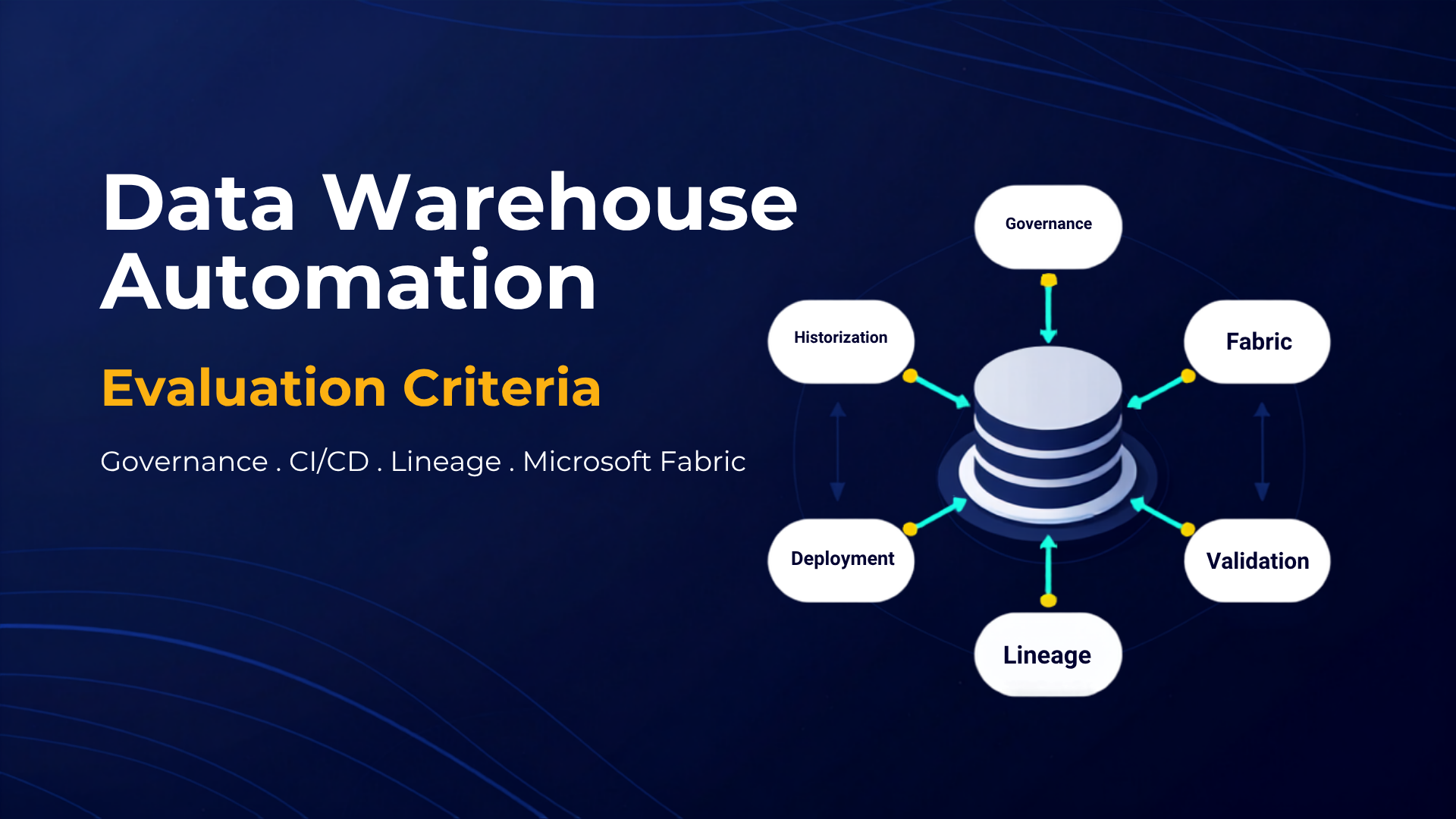
Data lineage and Snapshot Historization are foundational capabilities for closing the Data Trust Gap.
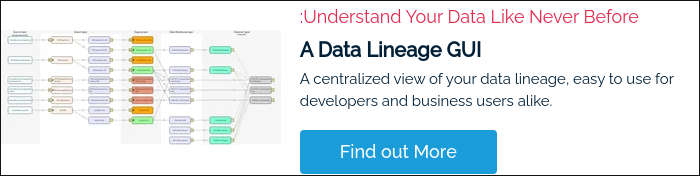
Data lineage tracks where data originates, how it moves, and how it changes throughout its lifecycle. It reveals the complete “story” of the data, showing every transformation step from source to final report. This transparency helps users understand, verify, and trust the numbers they see.
Snapshot historization preserves the state of data at specific points in time. Instead of only seeing the current version, users can explore how data has evolved—what changed, when it changed, and how those changes impact analysis. This historical context dramatically strengthens trust in data-driven decisions.
The Metadata Catalog and Holistic Data Modeling
A Metadata Catalog acts as a centralized, searchable library of all data assets. It gives users clarity on definitions, data owners, formats, business rules, and lineage. This helps data consumers quickly find, understand, and trust the data they need.
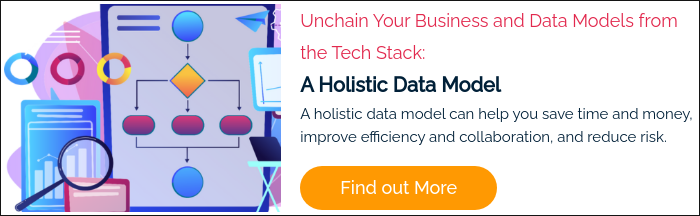
A Holistic Data Model supports end-to-end data understanding. Rather than treating datasets as isolated objects, it recognizes data as an interconnected system. This type of modeling clarifies relationships, dependencies, and meaning across the entire environment. As a result, both data producers and consumers develop a shared understanding—leading to stronger transparency and collaboration.
Bridging the Data Trust Gap with AnalyticsCreator
AnalyticsCreator plays a pivotal role in addressing the Data Trust Gap by providing integrated capabilities for data modeling, lineage tracking, cataloging, and observability.
With automated data lineage documentation, data producers can easily provide full transparency for every dataset. Data consumers gain instant clarity on where data comes from and how it has changed—building trust and supporting compliance requirements.
The platform’s Metadata Catalog simplifies the discovery and understanding of all data assets. It promotes data democratization, ensuring that both technical and non-technical users can quickly locate the information they need.
AnalyticsCreator also strengthens trust through:
- Data observability for real-time monitoring of data reliability
- Automated pipelines for consistent, transparent data flow
- Ingestion management that ensures accurate and complete data capture
While data quality remains essential, quality alone is not enough to guarantee trust. Data lineage, historization, metadata management, and observability are crucial components in closing the trust gap. AnalyticsCreator brings these capabilities together into a comprehensive platform—empowering organizations to build confidence in their data and make informed decisions based on reliable, transparent information.