Back to all Blogs


The concept of Data as a Product (DaaP) has rapidly become a cornerstone for organizations striving to unlock the full value of their data assets. As a holistic, product-oriented methodology, DaaP—often associated with modern data mesh principles—treats data not as a byproduct but as a marketable, consumable product. Each data product includes data, code, metadata, and the supporting infrastructure required to deliver consistent, reliable value across the organization.
In comparison, data products leverage this foundation to deliver clear insights and capabilities through analytics dashboards, predictive models, and decision-support tools. These solutions target wide audiences—from executives and analysts to product managers, data scientists, and external consumers. Examples include analytics dashboards, chatbots, personalization engines, and recommendation systems similar to those used by Amazon.
"Domain data teams must apply product thinking […] treating their datasets as products and the rest of the organization’s data scientists, ML engineers, and analysts as their customers." – Zhamak Deghani, Creator of Data Mesh
Both DaaP and data products rely on strong governance, high-quality data, and repeatable processes. Yet, many organizations still use slow, linear, and rigid methodologies—similar to outdated software development approaches—to build their data products. This creates major challenges, including:
- Long development cycles that delay insights and decision-making.
- Inflexible, static data models that break when business needs evolve.
- Minimal stakeholder involvement, increasing the gap between expectations and outcomes.
- High risk of rework when teams only uncover requirements at the end of development.
The outcome? Organizations miss critical opportunities to generate value and struggle to build the data-driven culture they aspire to achieve.
The Consequences of Slow and Inflexible Data Development
Without an iterative, agile, user-centered approach, DaaP initiatives encounter significant barriers:
- Frustrated business users who lose confidence when data arrives too slowly.
- Wasted time and budget from long projects that later misalign with stakeholder needs.
- Missed competitive opportunities, as organizations fail to respond quickly to market changes.
- Fragmented and inconsistent data across teams due to siloed development practices.
To succeed with DaaP, organizations need a dynamic, adaptive, and iterative development process. That’s where rapid prototyping becomes essential.
Rapid Prototyping with AnalyticsCreator
Rapid prototyping redefines data product development as a cycle of continuous discovery and refinement. Instead of waiting months to deliver a final product, teams iteratively enhance data models and logic based on real feedback and real usage. This accelerates time-to-value, improves user satisfaction, and dramatically reduces the risk of project failure.
How AnalyticsCreator Makes Rapid Prototyping Possible
AnalyticsCreator enables organizations to prototype, validate, and refine data products at unprecedented speed. With a model-driven and automation-first approach, it minimizes manual engineering effort and empowers both technical and business teams.
Here’s how AnalyticsCreator accelerates rapid prototyping:
-
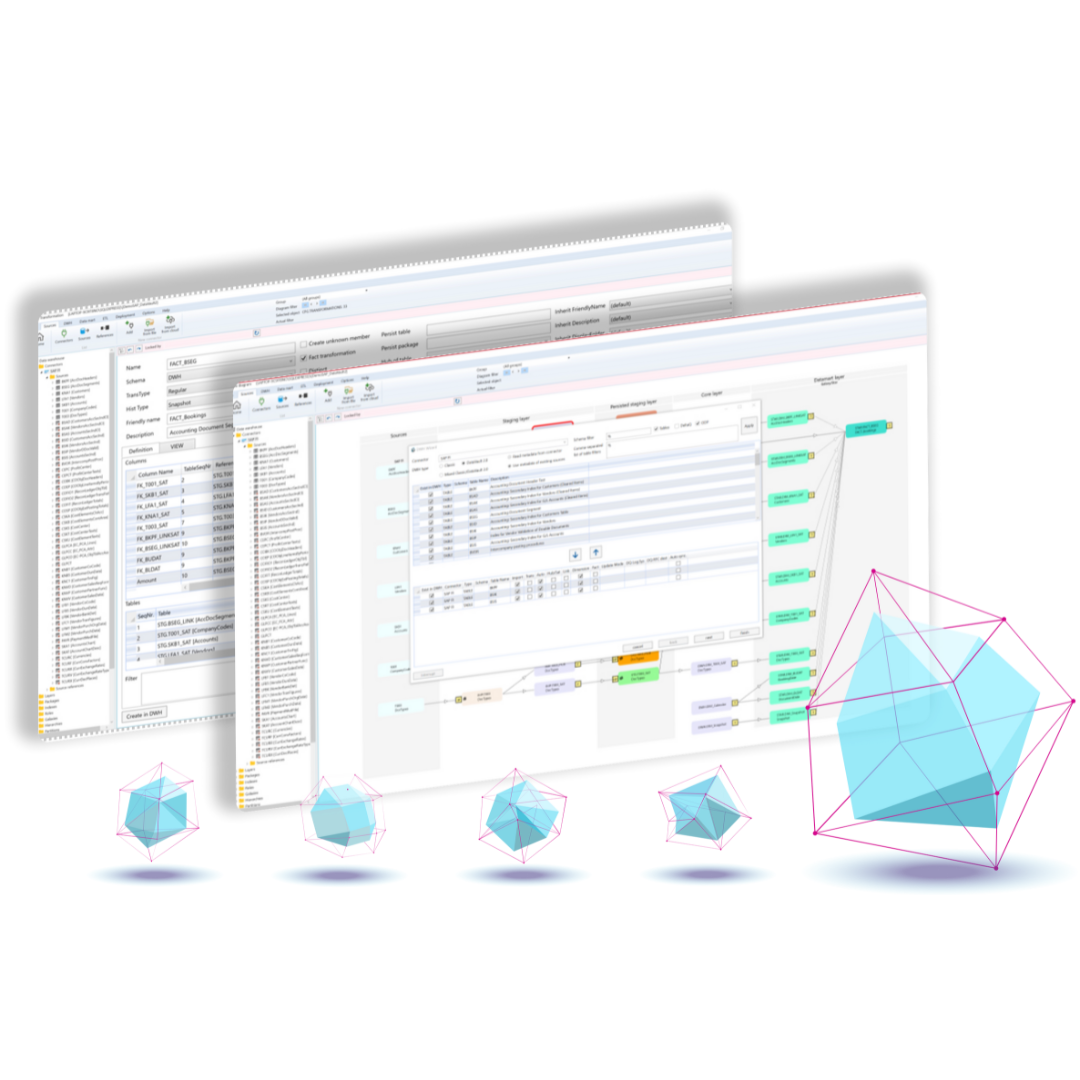
Automated Code Generation: Instantly generates optimized data models, ETL processes, and full data warehouse structures—eliminating manual coding delays.
-
Seamless Updates Across the Data Warehouse Prototype: Changes in one area of the model are automatically propagated, ensuring consistency without tedious rework.
-
Data Lineage Visualization: Provides a clear and intuitive interface to track data flow and dependencies, making it easier to refine models.
-
Integrated Knowledge Management and Governance: Ensures compliance and quality while allowing for fast iterations.
-
Support for Data Infrastructure: As DaaP requires structured metadata and governance, AnalyticsCreator ensures that models include lineage tracking, documentation, and compliance standards, aligning with modern data mesh strategies.
-
Faster Time-to-Insights: Enables teams to deploy functional data products much sooner, helping businesses extract value from their data faster.
By adopting AnalyticsCreator, teams can abandon traditional waterfall-style development and shift toward an agile, iterative, collaborative approach to building data products.

The Future of Data-as-a-Product Is Agile
Static, rigid data development is no longer sufficient. Effective data products require rapid prototyping—a process that allows teams to test concepts early, incorporate feedback continuously, and evolve rapidly with business changes.
With tools like AnalyticsCreator, organizations can transform rapid prototyping from an aspiration into a practical reality. The result is a pipeline of reliable, high-value, and user-centric data products that adapt as the business evolves.
Don’t let outdated development practices hold you back—embrace rapid prototyping and unlock the full potential of your data products.